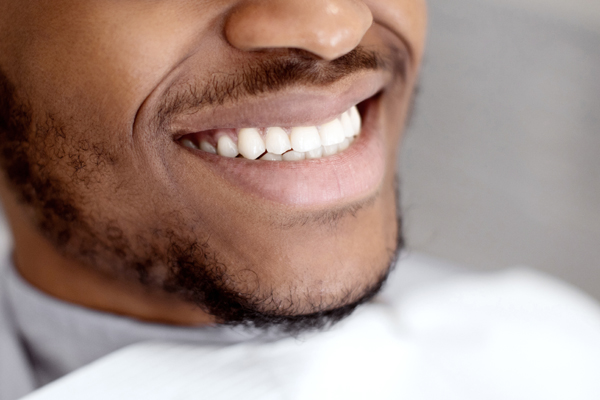
Teeth whitening can help brighten natural enamel when stains come from foods, drinks, aging, or normal daily habits. Dentist-supervised at-home treatment uses custom trays and whitening gel to create a more controlled process than many store-bought products. However, an in-office visit is still necessary, as our dentist first checks the teeth, gums, and existing dental work to make sure whitening is appropriate. They will then walk you through the step-by-step process of teeth whitening to help you achieve the results you want.
How dentist-supervised teeth whitening works
At-home teeth whitening from a dental office usually begins with an exam and shade discussion. The dentist may take impressions or digital scans to make trays that fit the teeth closely. They provide custom, snug trays to help keep the whitening gel against the enamel but not touching the gums. The dentist also explains how much gel to use and how long each session should last.
Teeth whitening gels often contain highly concentrated hydrogen peroxide or carbamide peroxide, which helps break apart stains and make the enamel appear lighter. However, results vary based on the type of stain, the starting shade, and how consistently the patient follows directions. It is also important to remember that no teeth whitening treatment, professional or over-the-counter (OTC), changes the color of crowns, veneers, fillings, or bonding.
Why professional guidance matters
Professional guidance from a dentist helps reduce common teeth whitening problems, including gum irritation and temporary tooth sensitivity. The dentist can recommend a gel strength and schedule that fits each patient's oral health. Some patients may need shorter sessions, sensitivity toothpaste, or a slower approach, while others may need dental treatment before whitening begins.
It is common for individuals to flock to OTC products first. While these products can help some patients, they are not always the best fit for every smile. This is because generic strips or trays may not sit against every tooth surface evenly and may allow gel to spread onto gum tissue. Professional teeth whitening, on the other hand, offers more personalized planning and follow-up.
Keeping results brighter
Teeth whitening results last longer when patients maintain healthy daily habits. The dentist will likely recommend brushing with fluoride toothpaste, flossing, and routine cleanings to help remove surface buildup. Also note that substances like coffee, tea, red wine, dark berries, and tobacco can contribute to new stains. Fortunately, rinsing with water after consuming pigmented foods and beverages may help limit stain buildup between brushing sessions.
Good habits after teeth whitening treatment include:
- Following the dentist's whitening instructions
- Avoiding overuse of whitening gel
- Reporting sensitivity that does not improve
- Keeping routine dental checkups
These steps not only help protect enamel, but also support a comfortable experience. Patients should not repeat teeth whitening routines too often or stack them with other whitening treatments without professional guidance. The dentist can recommend touch-up timing based on the patient's goals, sensitivity level, and oral health.
Schedule a consultation
Professional teeth whitening can be a convenient at-home option when a dentist checks oral health, provides custom trays, and safely guides the treatment. Professional supervision helps patients understand expected results, possible sensitivity, and how existing dental work may affect the final shade. Call our office for more information or to schedule a consultation.
Request an appointment here: https://ptpleasantdentalspa.com or call Point Pleasant Dental Spa at (732) 272-0912 for an appointment in our Point Pleasant office.
Check out what others are saying about our dental services on Yelp: Teeth Whitening in Point Pleasant, NJ.
Related Posts
General dentists typically recommend professional teeth whitening once per year for patients who are cavity-free and in good oral health overall. Understanding who makes an ideal candidate for professional, in-office teeth whitening can help you determine if you should schedule a consultation visit for the procedure. Professional teeth whitening is a cosmetic procedure that brightens your…
A general dentist can perform dental X-rays as part of a routine dental checkup. These scans are recommended every year or two to reveal a patient's oral health below the gum line. While most adults have already had them at some point, it is common to want to learn more about what they do, their…
Regular visits to a general dentist are essential for maintaining good oral and overall health. However, many people skip their routine appointments due to scheduling issues or fear of dentists. While these visits may seem inconvenient or unnecessary, they can prevent serious oral health issues down the road. If you are experiencing the following three…
As part of their mission to keep mouths healthy, a general dentist offers a variety of single-tooth replacement options. Even just missing one tooth can impact your oral health and the appearance of your smile. Single-tooth replacements may be the efficient solution to restore the appearance and functionality of your smile.Losing a single tooth can…