Smile Makeover Aftercare. Protect Your Investment
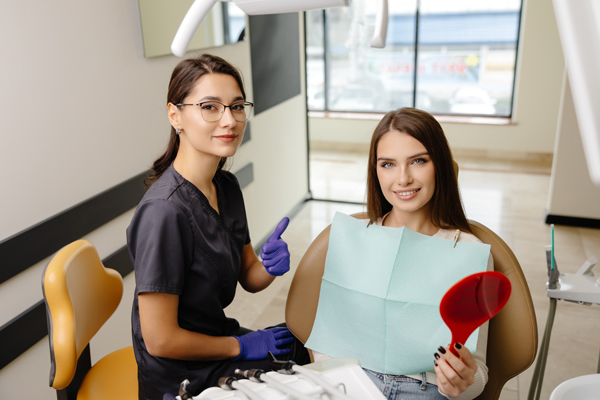
A smile makeover works best with personalized planning and commitment on the part of the patient. Protecting this investment requires proper aftercare. While the dental team delivers quality treatments, the patient needs to take good care of their smile for the results to last. By following the team's aftercare guidelines and practicing good oral hygiene, a smile makeover can look great for many years.
Why aftercare matters for a smile makeover
The long-term success of a smile makeover depends on the relationship between the new restorations and the natural tissues of the mouth. Porcelain dental veneers, bonding, and crowns are designed to withstand the daily pressures of chewing, but they are not impossible to damage. If the supporting gums become inflamed or start to recede, the margins of the smile may become exposed. This exposure not only compromises the visual symmetry but also creates areas where bacteria can accumulate, leading to decay on the underlying tooth structure.
The good news is that a smile makeover can last many years with proper care. For instance, veneers can last 10 to 15 years before needing replacement. Even short-term treatments, such as teeth whitening, can keep the smile bright longer when the patient commits to better oral care.
Proper care immediately after cosmetic treatments
Since a smile makeover can involve various cosmetic treatments, the dentist will provide aftercare instructions specific to the patient. Still, in general, patients can keep a few things in mind to lay the foundation for lasting results.
To start, expect the mouth to be more sensitive than usual for the first day or two as the bite settles and the tissues recover. One should pay attention to how they chew and what they eat. Very hard, crunchy, or sticky foods can stress new bonding, veneers, or other restorations and may increase the chance of chipping or dislodging material.
When teeth whitening is part of the smile makeover, stain prevention is also key during the adjustment period. This is because freshly whitened enamel is more prone to staining at first. Lighter-colored foods and drinks, along with water rinses after meals, can help protect results.
Finally, inform the dentist of any unexpected rough spots, persistent sensitivity, or changes in how teeth meet. The dentist can fix them promptly to protect both comfort and results.
Long-term aftercare tips for a lasting smile makeover
Where a dental restoration, like a veneer, meets the natural tooth is the most vulnerable area of a smile makeover. Plaque and biofilm can settle in at these edges and cause the gums to pull away, exposing the natural enamel to acid-producing bacteria. To prevent this, patients can maintain a consistent oral hygiene routine. At home, a few basics include:
- Brushing twice a day
- Flossing once a day
- Rinsing the mouth with an alcohol-free rinse
It is also recommended to attend regular dental checkups, so the dentist can perform deep cleanings and polishing that cannot be achieved at home. They can also address early signs of wear or minor bite shifts that the patient may not yet feel. Together, professional care and good habits at home keep the smile bright, ensuring that the teeth are healthy and that cosmetic results continue to look natural.
Ask a dentist about a smile makeover
Dedicated aftercare is the most effective way to protect the results of a smile makeover. Want to learn more about how to care for your smile after cosmetic treatments? Contact our Point Pleasant office today to set up an appointment.
Request an appointment here: https://ptpleasantdentalspa.com or call Point Pleasant Dental Spa at (732) 272-0912 for an appointment in our Point Pleasant office.
Check out what others are saying about our dental services on Yelp: Smile Makeover in Point Pleasant, NJ.
Related Posts
Choosing between a dental crown and a filling depends on the extent of damage and the tooth's strength. A crown offers superior coverage by restoring the entire visible portion of a tooth. At the same time, fillings address smaller areas by sealing decay with materials such as resin composite, amalgam, or porcelain. No matter your…
Complications after a tooth extraction are uncommon, but understanding the warning signs helps protect long-term oral health. During healing, problems such as infection, dry socket, or prolonged bleeding can occasionally develop. Knowing what to watch for and when to call a dentist supports a smoother recovery. Below are a few things to watch for after…
Oral health needs change as we age, and seeing a family dentist can play a big role in maintaining a healthy smile and boosting overall well-being. Family dentists are general dentists with the expertise to manage the unique dental challenges associated with aging. They provide personalized care that focuses on common and specific needs, ensuring…
Those missing one or more molars may benefit from dental implants. The molars are the large, flat teeth in the back of your mouth, used to grind your food when chewing. Not counting your wisdom teeth, you have eight molars in your mouth, all of which play an important part in your ability to chew…