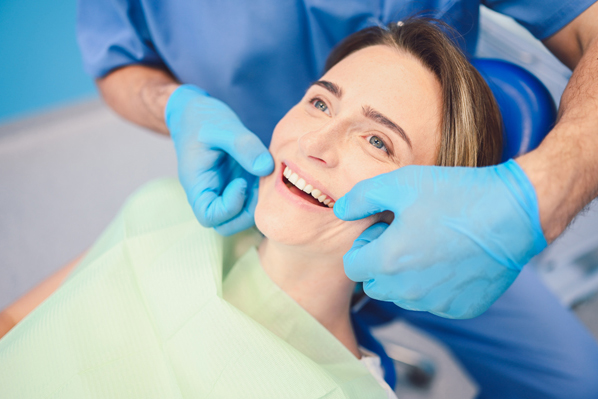
If you have ever wondered if you are too old or if your child is too young for cosmetic dentistry, you are not alone. This branch of dentistry can enhance a patient's smile, but some services are better suited to certain age groups. Let us look at how the different stages of life influence the timing and selection of cosmetic dental work.
The real answer: Age matters, but smile development matters more
Cosmetic dentistry does not have a hard legal age limit. While age must be considered to ensure that the patient can sit through the procedure and then care for the results, the most important metric is the developmental stage of the smile. For example, a teenager with fully developed enamel can be a good candidate for professional teeth whitening, whereas one with a still-maturing smile may not be. This is because developing enamel is thinner and more prone to sensitivity and discomfort from whitening.
In addition to the teeth, jawbone stability and gum health are important to consider before cosmetic dentistry. The teeth and jaw continue to shift through adolescence, often changing the position of the gums along the way. Services that need a precise fit against the gums, such as dental veneers, can perform better and more predictably once these contours are stable. Similarly, treatments that require a strong jawbone, such as dental implants, are considered unsuitable for patients under 18, again because their jaws are still developing.
The best time for cosmetic dentistry is adulthood
The adult years are often considered the prime time for most procedures in cosmetic dentistry. Because jaw growth is complete and the eruption of the teeth is long finished, the dentist can plan treatments with a high degree of precision. Whether it is whitening, bonding, or veneers, the results are much more predictable regarding the long-term fit and the health of the margins. Adults also have a clearer dental health history, which helps identify patterns such as tooth wear or grinding that could affect the longevity of the work.
Many adults find that combining multiple services is the most effective way to reach their goals. This might involve using clear aligners to fix spacing, followed by whitening or veneers to refine the shape and shade of the teeth. Fortunately, most adult patients can qualify for a variety of cosmetic treatments if they have good oral health.
Cosmetic dentistry for seniors
Seniors can see transformative results from cosmetic dentistry, though the planning often involves a closer look at the supporting structures. Factors such as gum recession, the presence of older fillings, and dry mouth related to medication can all influence which materials are the most appropriate. While whitening can lift years of stains, the dentist must account for enamel sensitivity and how the new shade will match existing crowns or bridges.
Combining cosmetic work and restorative treatments
Tooth replacement is a common focus for older adults. Many seek to rebuild a more youthful appearance by replacing missing teeth with dental implants or bridges. These procedures lie on the cusp between restorative and cosmetic: They fill the gap left by missing teeth to maintain a stable jawbone and bite, while also making for a fuller, more aesthetically pleasing smile. For these treatments, find a dentist who can provide both cosmetic and restorative work.
Explore cosmetic dentistry
The journey toward a more radiant smile is unique to each patient's smile and age. Discover what is possible for your or your family member’s smile. Contact Point Pleasant Dental Spa today for an appointment.
Request an appointment here: https://ptpleasantdentalspa.com or call Point Pleasant Dental Spa at (732) 272-0912 for an appointment in our Point Pleasant office.
Check out what others are saying about our dental services on Yelp: Cosmetic Dentist in Point Pleasant, NJ.
Related Posts
A smile makeover works best with personalized planning and commitment on the part of the patient. Protecting this investment requires proper aftercare. While the dental team delivers quality treatments, the patient needs to take good care of their smile for the results to last. By following the team's aftercare guidelines and practicing good oral hygiene,…
A general dentist offers numerous smile maintenance services to help patients be confident and proud of their smiles. Some treatments require dentists to change the structure of the teeth, such as treating areas of decay, while others focus more on boosting the teeth’s resilience or keeping the gums healthy. No matter how long it has…
General dentists are the number one go-to for preventing and eliminating threats to oral health. While the American Dental Association generally recommends that everyone begin attending biannual appointments at 12 months of age, we understand that some can overlook this. This first checkup can be the beginning of regular biannual appointments to help ensure your…
Has it been over six months since your last appointment with a general dentist? Read on to learn more about the importance of regular dental checkups. Regular dental care is important for healthy, long-lasting smiles, and your general dentist aims to help you achieve optimal oral health.The basis of preventive dentistry is routine dental checkups.…