How an Emergency Dentist Addresses a Dislodged Tooth
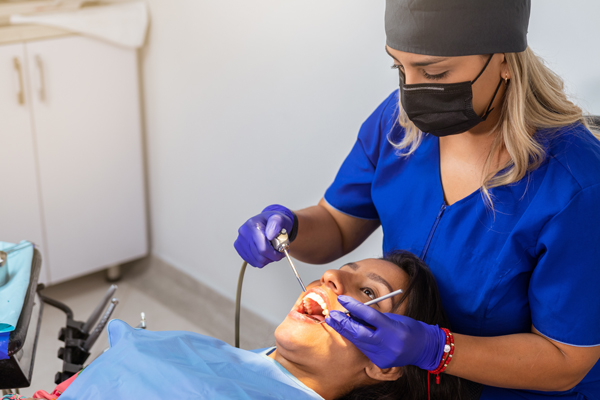
An emergency dentist can provide urgent care when an accident causes a tooth to loosen, shift, or come completely out of its socket. A dislodged tooth needs prompt attention because prompt treatment may improve the chance of saving the natural tooth and limit the impact on the gums, jawbone, nearby teeth, and nerves. Our dentist, who offers emergency care, can help stabilize the area and guide the next steps.
Advice from an emergency dentist: Protect the tooth before the visit
A dislodged permanent tooth needs careful handling before professional care begins. The root surface contains delicate cells that can help support reattachment, so the tooth should remain moist and protected. The following steps may help preserve a completely knocked-out tooth during the trip to the dental office:
- Hold the tooth by the crown, not the root
- Rinse gently with milk or clean water if dirt is present
- Place the tooth in milk, saliva, or a tooth preservation solution
- Seek emergency dental care as soon as possible
Note that a parent should not place the baby tooth back into the socket on their own since this may harm the developing permanent tooth. The dentist can determine the safest approach based on the patient's age and the type of tooth involved.
If a tooth has been shifted out of place but remains in the socket, patients will likely notice bleeding, swelling, and sensitivity. Contacting an emergency dental office is crucial during this time. However, if this dislodgement is accompanied by head trauma, high fever, or a blow to the throat, making it hard to breathe or swallow, contact emergency health services (911 or the hospital) first.
How does the emergency dentist determine a treatment plan for a dislodged tooth?
The first step is a careful but timely examination. The emergency dentist checks whether the tooth is partially displaced, completely knocked out, or pushed deeper into the socket. Digital X-rays help reveal root damage, bone injury, or changes around nearby teeth. The dental team also cleans the area gently and checks for cuts, swelling, or other signs of trauma.
If the tooth remains in the mouth, the dentist evaluates whether it is possible to reposition the tooth. If the tooth is fully out of the socket, they check whether replanting it is still possible. The condition of the root surface, how long the tooth stays out of the mouth, and how the tooth is stored all affect the treatment plan.
How an emergency dentist treats a dislodged tooth
When a tooth is salvageable, the emergency dentist may place it back into the proper position. A flexible splint often attaches the injured tooth to nearby stable teeth while the gums and surrounding tissues heal. This splint helps limit movement without placing too much pressure on the tooth.
A soft diet may be recommended during the early healing period. The patient may also need to avoid biting directly on the injured tooth. Follow-up visits allow the dentist to monitor stability, comfort, and signs of infection. These appointments help determine whether the tooth continues healing as expected.
Schedule an emergency appointment
A dislodged tooth can be alarming, but prompt care can help protect the smile and improve the chances of saving the natural tooth. If you act quickly, our emergency dentist can determine whether to reposition, stabilize, and monitor the tooth while addressing any related injury. Call our office to gain a better understanding of your situation or to schedule an emergency visit.
Request an appointment here: https://ptpleasantdentalspa.com or call Point Pleasant Dental Spa at (732) 272-0912 for an appointment in our Point Pleasant office.
Check out what others are saying about our dental services on Yelp: Emergency Dentist in Point Pleasant, NJ.
Related Posts
An emergency dentist provides immediate care for urgent dental issues. Dental emergencies can happen anytime, often causing pain or discomfort that cannot wait for a regular appointment. Recognizing the signs of a dental emergency helps patients seek the right care quickly and can prevent further complications and protect their oral health.A dental emergency calls for…
An abscessed tooth most likely will not go away on its own. If the symptoms become severe or exist for an extended period of time, then you may need to visit an emergency dentist to promptly treat the dental abscess. There are different treatment options an emergency dentist may recommend to treat an abscessed tooth. An…
Root canals are one of the most common dental procedures dentists perform. However, there are many different types of dentists for you to choose from, making it necessary to understand if your general dentist is able to perform specific dental services, such as a root canal. General dentists are equipped to perform a root canal. In…
General dentistry consists of a lot of routine oral health care, which also happens to include restoring teeth that are in bad shape due to damage. Common damage may include cracks, chips, or cavities, all of which can be addressed with the help of different dental restorations. Continue reading to find out what dental restoration…